
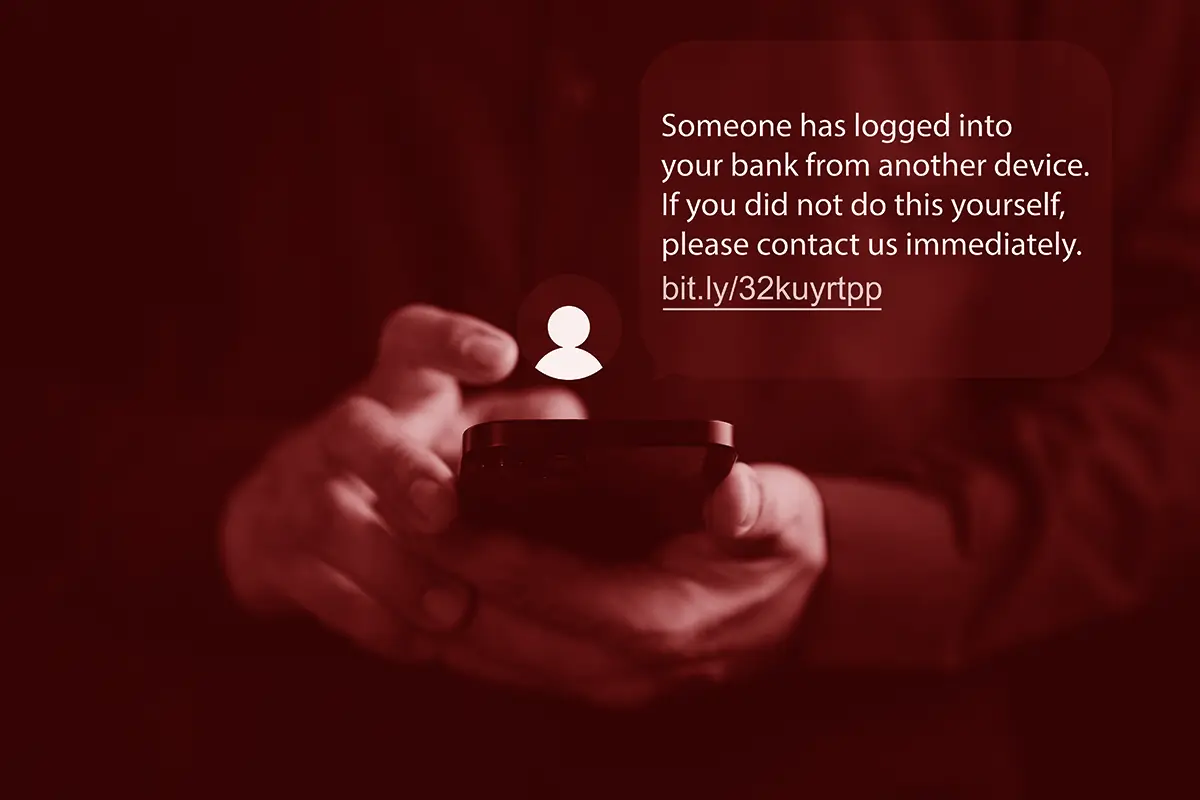
It’s easy to think scams only happen to people who aren’t paying attention. But that’s not how it works. Every day, smart, capable, financially savvy people fall for scams. Not because they lack intelligence, but because scammers are incredibly good at what they do.
Modern scams aren’t clumsy or obvious. They’re calculated, well-timed, and often feel completely legitimate. If anything, being confident in your ability to spot a scam can actually make you more vulnerable. The truth is, scams don’t target intelligence. They target human behavior.
Here’s why smart people still get scammed and what you can do to stay one step ahead:
#1: Scammers Know How to Create Urgency
One of the most effective tools in a scammer’s playbook is pressure. You’ll hear things like “Your account will be locked,” “You need to act now,” or “This offer expires today.” That sense of urgency is designed to shut down your ability to think clearly.
Even highly logical people can make quick decisions when they feel rushed. Scammers know that if they can get you to act fast, you’re less likely to double-check details or question what’s happening.
How to avoid it: Pause. Any legitimate organization will give you time to verify a request. If something feels rushed, that’s your signal to slow down.
#2: Scammers May Sound Legitimate
Scammers have gotten very good at impersonating trusted organizations. They can make emails look like they’re from your bank, spoof phone numbers so they appear local, and even mimic the tone and language of real companies.
You might receive a message that looks exactly like it came from your bank, a delivery service, or even a government agency. It’s not sloppy anymore. It’s convincing.
How to avoid it: Don’t rely on appearances. If you receive a message asking for personal or financial information, go directly to the source. Call the number on your debit or credit card or visit the official website instead of clicking links.
#3: Scammers Play on Emotions
Scams often tap into emotions like fear, excitement, or curiosity. A message about suspicious account activity creates fear. A notice that you’ve won something creates excitement. A text about a package you weren’t expecting sparks curiosity. Unfortunately, when emotions are high, critical thinking takes a back seat. That’s exactly what scammers want.
How to avoid it: Check your emotional response. If a message makes you feel anxious or overly excited, treat it as a red flag. Give yourself a moment to think before you act.
#4: Scammers May Use Just Enough Information to Feel Real
Many scams include small pieces of real information, such as your name, email, or the last four digits of your phone number. That detail can make the interaction feel legitimate. In reality, that information is often pulled from data breaches or publicly available sources. It doesn’t mean the request is real.
How to avoid it: Never assume legitimacy based on partial information. Even if someone knows details about you, don’t share additional personal or financial information unless you’ve verified the individual on the other end of the phone, email, or text.
#5: Scammers Try to Catch You Off Guard
Scams often show up at the worst possible time. You’re busy, distracted, or multitasking. Maybe you’re in the middle of your workday or trying to get through a long to-do list. In those moments, it’s easy to click a link or respond quickly without thinking it through.
How to avoid it: Build a habit of not responding immediately. Even a quick pause to reread a message can help you spot something that doesn’t feel right.
#6: Scammers Keep Evolving
Scammers don’t stand still. As technology improves, so do their tactics. From phishing emails to fake websites to AI-generated voice calls, scams are constantly changing. Unfortunately, what worked as a warning sign a few years ago might not apply today. That’s why even experienced people can get caught off guard.
How to avoid it: Pay attention to new types of scams and share that information with family and friends. Awareness is one of your strongest defenses.
Your Best Defense Starts Here
Getting scammed isn’t about being careless or uninformed. It’s about being human. Scammers rely on timing, emotion, and trust to create situations that feel real.
The good news is that a few simple habits can make a big difference. Slow down. Verify before you act. Be cautious with unexpected requests. And, most importantly, trust your instincts when something doesn’t feel right.
If you feel you’ve been a victim of a scam and one of your Quail Creek Bank accounts has been compromised, please get in touch with us immediately at 405-755-1000.
