
Convenience is built into almost everything we do. We tap instead of swiping. We order instead of cooking. We subscribe instead of shopping. And most of the time, we don’t think twice about it.
But convenience isn’t free. It shows up in delivery fees, subscription costs, service charges, and small add-ons that don’t seem like much in the moment. Over time, though, those small choices can add up in a way that’s easy to overlook.
That doesn’t mean you need to cut out convenience altogether. In many cases, it makes life easier, saves time, and even reduces stress. The key is knowing when it’s worth the cost and when it’s quietly draining more than it should.
Where Convenience Shows Up the Most
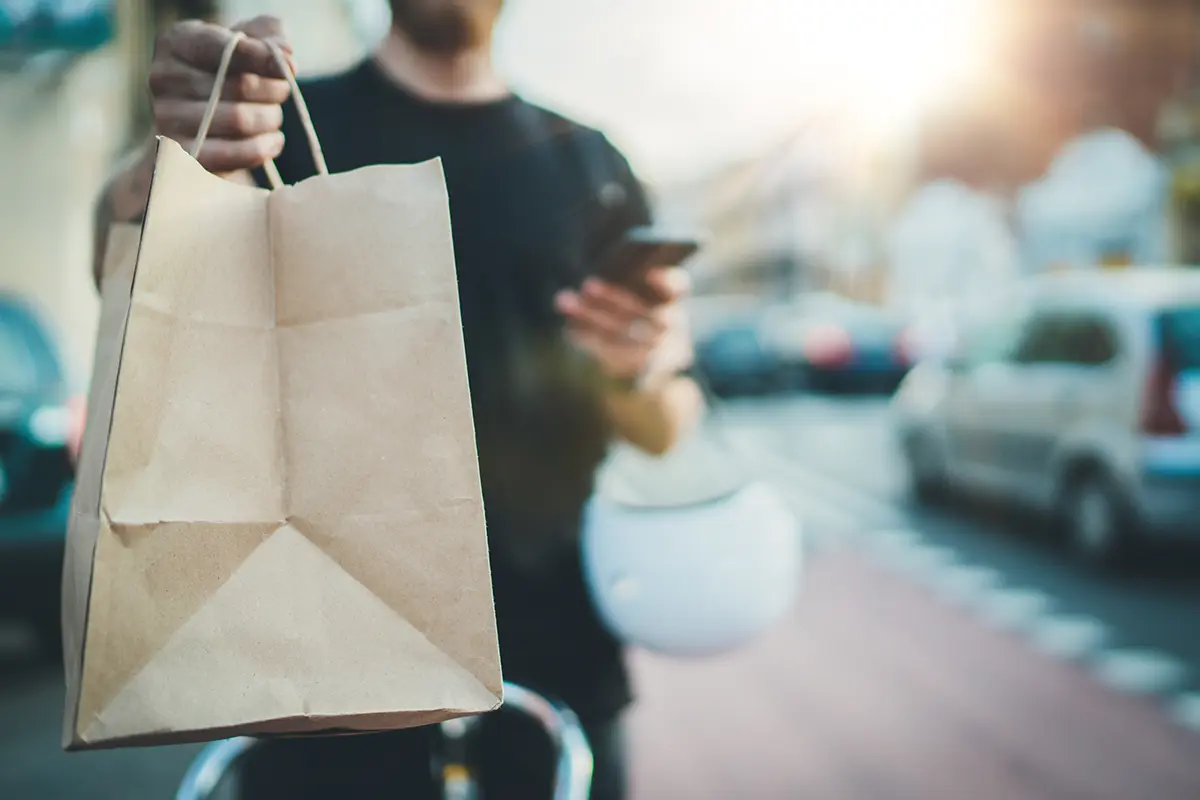
Convenience tends to hide in everyday habits. Food delivery is one of the most obvious examples. Between service fees, delivery charges, and tips, a $15 meal can easily turn into $25. It’s easy, it’s fast, and it’s become part of the routine for many people.
Subscriptions for streaming services, music platforms, and fitness apps, among others, can be a problem. Individually, they feel manageable, but together, they can quietly add up to a high monthly cost.
And then there are smaller conveniences we pay for, such as using out-of-network ATMs to withdraw money, opting for faster shipping, and even buying pre-cut or pre-packaged items at the grocery store. Again, none of these feel like big decisions, but they’re often the ones that slip through unnoticed.
When Convenience Is Actually Worth It
Not all convenience is a bad trade-off. In many cases, it’s exactly what keeps life running smoothly. If something saves you a meaningful amount of time, it can be worth the cost, especially when that time can be used for work, family, or simply recharging.
Convenience can also reduce stress in practical ways. For example, someone running a business or juggling a busy schedule may choose to pay for grocery pickup or a cleaning service so their limited free time isn’t spent on errands or chores. There are also moments when convenience helps you avoid bigger issues, such as setting up automatic bill payments to avoid late fees or choosing expedited service when timing is critical.
Where convenience starts to lose value is when it becomes automatic instead of intentional. The goal isn’t to cut out convenience entirely. It’s to be more selective about where it adds real value. By choosing the conveniences that genuinely improve your routine and dialing back the ones that don’t, you can keep life easier without paying more than you need to.
When Convenience Starts to Cost More Than It’s Worth
Convenience starts to lose its value when it becomes the default instead of a decision. Ordering takeout occasionally is easy to justify, but doing it several times a week can quietly increase your spending. The same goes for subscriptions you don’t use often or small fees that blend into the background.
When these choices happen without much thought, it’s easy to overlook what they’re really costing you. That’s when it makes sense to step back and take a closer look.
Simple Ways to Cut Costs Without Giving Up Convenience
You don’t have to overhaul your lifestyle to make a difference. A few small adjustments can help you keep the benefits of convenience while reducing the cost.
- Review your subscriptions regularly. Take a few minutes to look at what you’re paying for each month. If you’re not using something consistently, it may not be worth keeping. Even cutting one or two subscriptions can make a noticeable difference.
- Limit convenience to certain days or situations; instead of eliminating something like food delivery, set boundaries around it. Maybe it’s a weekend option or reserved for particularly busy days. This keeps it enjoyable without becoming routine.
- Use built-in banking tools to avoid unnecessary fees. Features like account alerts can help you avoid overdrafts or low-balance fees. Using in-network ATMs or choosing a checking account that offers ATM fee refunds can help you skip extra charges. These small shifts can add up over time.
- Plan ahead where it matters most. A little planning can reduce the need to pay for convenience later. Whether it’s preparing meals ahead of time or scheduling bill payments, it helps you stay in control without feeling restricted.
- Choose convenience that adds real value. Not all conveniences are equal. Focus on the ones that genuinely improve your day or reduce stress, and be more selective about the rest.
It’s About Balance, Not Elimination
Convenience isn’t the problem. It’s how often and how automatically we rely on it.
When you’re intentional, convenience can be a useful tool. It can simplify your routine, save time, and make everyday tasks easier. When it goes unchecked, it can quietly chip away at your budget without delivering the same value.
Taking a little time to evaluate where your money is going doesn’t mean giving things up. Instead, it helps you ensure you’re paying for what’s actually working for you. Because the best kind of convenience is the kind that makes life easier without costing more than it should.
